Is Adding Equipment the Right Move for Your Construction Business?

Posted by Kelsey Gilley on Sep 21, 2026, 3:03:43 PM

TL;DR: Before adding equipment, construction businesses should evaluate whether current fleet limitations are slowing growth and...

TL;DR: Before adding equipment, construction businesses should evaluate whether current fleet limitations are slowing growth and explore financing options that support capacity needs while preserving working capital.

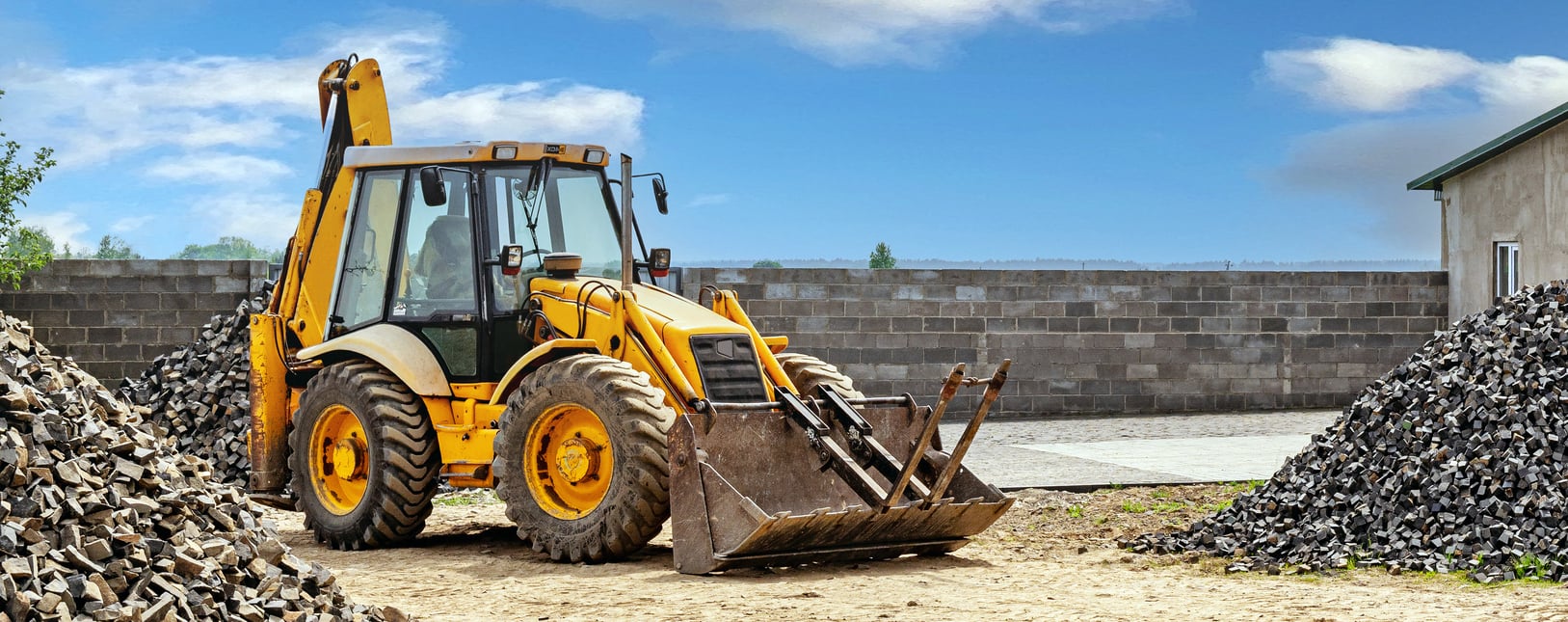
For construction businesses, equipment decisions can have a significant impact on productivity, capacity, and profitability. The right machine can help keep projects on schedule, reduce reliance on rentals, and support additional work. However, adding equipment only makes sense when it aligns with the long-term needs of your business.

Before making an investment, business owners should evaluate several factors, including current work-on-hand, fleet utilization and cash flow. Understanding these considerations can help determine whether adding equipment is the right move.


Look at Capacity Before You Look at Equipment

When considering a new machine, start by identifying what's limiting growth today. Are projects being delayed because equipment is tied up on another job? Are breakdowns causing downtime that impacts schedules and customer relationships? Are rental costs becoming a consistent line item? Are monthly rental costs higher than the payment for a machine purchase? Do you have enough manpower to utilize an additional piece of equipment?

Whether it's an excavator scheduled weeks in advance, a dump truck constantly shuttling between jobs, or a skid steer requiring frequent rentals to supplement capacity, equipment constraints can affect both productivity and profitability. You need to determine whether those challenges are occasional issues or signs of a larger trend.


Is Your Current Fleet Meeting Demand?

If the lack of equipment is preventing you from taking on additional work, it might be time to consider purchasing equipment. The right equipment investment can help increase production, improve jobsite efficiency, reduce dependency on rentals, and create opportunities to pursue other projects.

If you're regularly renting equipment, turning down jobs, extending project schedules, or relying on the same machine across multiple projects, those may be indicators that your business has outgrown its current fleet.


Preserve Cash for What Matters Most

Once you decide to buy more equipment, you need to determine how to pay for it. Many successful businesses finance equipment rather than paying cash, even when they have the resources to purchase outright. According to the Equipment Leasing & Finance Foundation, more than 80% of businesses use financing when acquiring equipment.

For small contractors, financing can help preserve working capital for payroll, fuel, materials, repairs, and other day-to-day expenses. Maintaining liquidity may provide greater flexibility than tying up a significant amount of cash in a single asset, particularly during busy periods when operating demands are highest.


Is There Untapped Value in Your Fleet?

Purchasing equipment isn't the only way to support growth. Equipment with substantial equity may provide opportunities to improve cash flow, access working capital, or refinance existing assets to reduce payments, without disrupting operations. Reviewing the value of your current fleet can help identify financing options that support business goals while allowing you to continue using the equipment that keeps projects moving.


What It Boils Down To

When evaluating your next equipment investment, the goal isn't simply to add another asset to your fleet. It's to determine whether that investment will help your business operate more efficiently, meet current demand, and support long-term success.

Whether you're considering a purchase or looking to preserve working capital. Keystone Equipment Finance can help you explore financing options that align with your business goals.